Unveiling the Nazca Lines: Sacred Pathways or Cosmic Signposts to the Unknown
- Feb 8
- 4 min read
The Nazca Lines stretch across the arid plains of southern Peru, etched into the desert floor with a precision that continues to baffle archaeologists, historians, and travelers alike. These enormous geoglyphs, depicting animals, plants, and geometric shapes, are visible only from the sky, raising questions about their purpose and the methods used to create them. Were they messages for the gods, ritual pathways, or perhaps signs meant for visitors from beyond our world? This article explores the mysteries surrounding the Nazca Lines, the theories about their meaning, and the remarkable techniques the Nazca people used to craft these enigmatic figures without ever seeing them from above.
The Enigma of the Nazca Lines
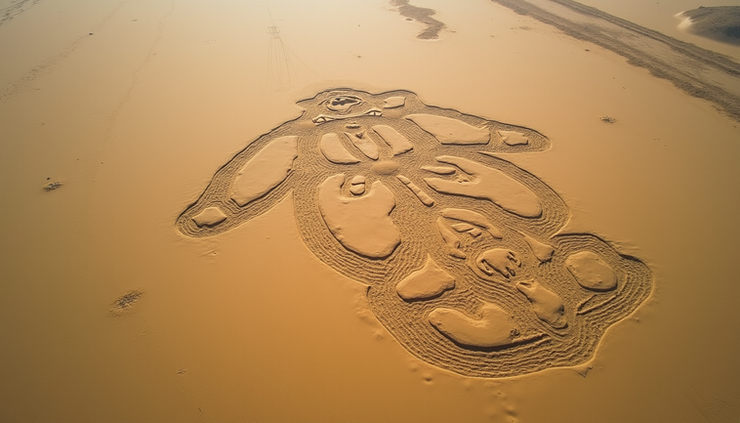
Spanning nearly 1,000 square kilometers, the Nazca Lines include over 800 straight lines, 300 geometric figures, and 70 animal and plant designs. Some of these figures stretch over 200 meters in length. The sheer scale and complexity of these drawings have sparked intense curiosity. How did the Nazca people, who lived between 500 BCE and 500 CE, create such precise and large-scale images without the benefit of aerial views?
The desert’s dry, stable climate has preserved these lines for centuries, but their purpose remains elusive. Theories about their meaning range from practical to mystical, each offering a glimpse into the worldview of the Nazca culture.
Theories About the Purpose of the Nazca Lines
Astronomical Calendars
One popular theory suggests the lines served as an astronomical calendar. Some researchers argue that the straight lines align with the positions of the sun, moon, and certain stars during solstices and equinoxes. This alignment could have helped the Nazca people track seasonal changes essential for agriculture in the harsh desert environment.
For example, Maria Reiche, a German mathematician and archaeologist, dedicated decades to studying the lines and proposed that many of the lines pointed to celestial events. She believed the geoglyphs functioned as a giant observatory, guiding planting and harvesting cycles.
Ritual Paths Related to Water
Water was a precious resource in the Nazca region, and some scholars suggest the lines were part of ritual ceremonies to invoke rain or honor water deities. The Nazca culture is known for its sophisticated irrigation systems, and the geoglyphs might have been created as sacred pathways walked during religious processions.
The shapes of some figures, such as the hummingbird and spider, are thought to symbolize fertility and water. Walking these lines could have been a form of prayer or a way to connect with the spiritual world to ensure the survival of crops and communities.
Signs Meant to Be Seen from the Sky
The most mysterious aspect of the Nazca Lines is their visibility from the air. The figures are so large that their full forms cannot be appreciated from the ground. This has led to speculation that the lines were created as messages for gods or beings who could fly or observe from above.
Some fringe theories propose that the lines were alien landing strips or signals to extraterrestrial visitors. While these ideas lack scientific support, they highlight the profound mystery the Nazca Lines represent and the human fascination with the unknown.
How Did the Nazca People Create the Lines?
Without airplanes or drones, the Nazca people relied on ingenious methods to design and execute these massive geoglyphs. Archaeologists have found evidence that the Nazca used simple tools and surveying techniques to maintain proportions and shapes.
They likely started by marking key points on the ground using stakes and ropes to outline the figures. By connecting these points with straight lines and carefully removing the reddish-brown iron oxide-coated stones on the surface, they revealed the lighter-colored earth beneath. This contrast created the visible lines.
The desert’s stable climate helped preserve the lines by preventing erosion. The Nazca’s understanding of geometry and their ability to work collaboratively on large-scale projects demonstrate a sophisticated culture with deep spiritual and practical knowledge.

The Cultural Significance of the Nazca Lines
The Nazca Lines are more than just ancient drawings; they are a window into the beliefs and practices of a civilization that thrived in one of the world’s harshest environments. The lines likely played a role in religious rituals, social cohesion, and the management of natural resources.
By creating these vast images, the Nazca people expressed their relationship with nature, the cosmos, and the divine. Whether the lines were meant to communicate with gods, mark sacred paths, or serve as calendars, they reveal a culture deeply connected to the land and sky.
Continuing Mysteries and Modern Research
Despite decades of study, many questions about the Nazca Lines remain unanswered. New technologies like satellite imaging and drone surveys have provided fresh insights but also raised new puzzles.
Researchers continue to debate the exact meanings and functions of the lines, exploring connections to other ancient cultures and environmental changes. The Nazca Lines remain a powerful symbol of human creativity and the enduring quest to understand our place in the universe.


Comments