Unearthing Nostalgia: The 2014 Excavation of Atari's Buried Treasure
- Feb 1
- 4 min read
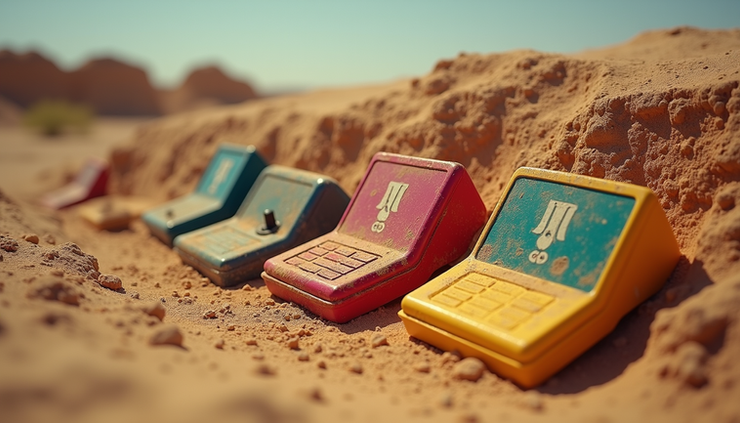
In 2014, a group of archaeologists and video game enthusiasts gathered in the New Mexico desert to dig into a landfill that had long been the subject of a fascinating urban legend. The story went that in 1983, Atari, the video game giant, had buried thousands of unsold copies of the infamous E.T. the Extra-Terrestrial game in the Alamogordo landfill. This excavation was not just about digging up old cartridges; it was about uncovering a piece of pop culture history that had been lost beneath the sands for over three decades.
The Legend of the Buried Atari Cartridges
Back in the early 1980s, Atari was riding high on the success of the video game boom. But the release of E.T. the Extra-Terrestrial for the Atari 2600 console turned into a disaster. The game was rushed to market to coincide with the movie's release, resulting in a product that many players found confusing and frustrating. Sales plummeted, and Atari was left with millions of unsold cartridges.
Rumors began to swirl that Atari had disposed of these unsold games by burying them in a landfill near Alamogordo, New Mexico. For years, this story was dismissed as a myth or an exaggeration—until the 2014 excavation confirmed it was true.
Why This Dig Matters for Pop Culture Archaeology
The Atari landfill excavation is considered one of the most important modern archaeological digs for understanding pop culture. Unlike traditional archaeology, which focuses on ancient civilizations, this project explored the material remains of a recent cultural moment that shaped the entertainment industry and gaming culture.
Here’s why it matters:
Preserving Video Game History
The excavation preserved physical artifacts from a pivotal moment in gaming history. These cartridges and hardware pieces tell a story about the rise and fall of early video game companies.
Understanding Consumer Culture
The landfill reflects the boom-and-bust cycle of the 1980s video game market. It shows how consumer demand, production, and marketing failures can leave a lasting mark on society.
Connecting Generations
For many, the discovery sparked nostalgia and renewed interest in retro gaming. It bridged the gap between gamers who lived through the era and younger fans discovering the roots of their hobby.
The 2014 Excavation: What Happened
The excavation was organized by a team including archaeologists, filmmakers, and video game historians. Their goal was to confirm the urban legend and document the site for a documentary film.
The team used heavy machinery to carefully dig through layers of landfill. As they unearthed the cartridges, the excitement grew. Many of the games were remarkably well-preserved despite being buried for over 30 years.
Some key moments from the dig:
Discovery of Intact Cartridges
The team found thousands of E.T. cartridges, along with other Atari games like Centipede and Missile Command. The cartridges were covered in dirt but mostly intact.
Unearthing Vintage Hardware
Alongside the games, old joysticks and console parts appeared, giving a fuller picture of the gaming experience from the early 80s.
Documenting the Site
The excavation was carefully recorded with photos and videos, preserving the moment for future generations.
What the Atari Landfill Teaches Us
This excavation offers several lessons about the video game industry and cultural memory:
The Risks of Rushed Products
Atari’s E.T. game was developed in just five weeks, a timeline that led to a product many found disappointing. This shows how rushing creative projects can backfire.
The Impact of Market Saturation
The early 80s saw a flood of video games, many of low quality. This oversupply contributed to the industry crash and Atari’s financial troubles.
The Value of Physical Artifacts
Digital media can be lost or corrupted, but physical cartridges and hardware provide a tangible connection to the past.
The Power of Urban Legends
The story of the buried games captured imaginations for decades before being proven true, showing how myths can shape cultural narratives.

Nostalgia and the Revival of Retro Gaming
The excavation sparked a wave of nostalgia among gamers and collectors. Retro gaming has since become a thriving subculture, with people seeking out vintage consoles and games to relive the early days of video gaming.
Collectors prize cartridges from the excavation as rare artifacts. The story also inspired documentaries, books, and exhibitions, helping to preserve the legacy of Atari and the early video game era.
Final Thoughts on the Atari Landfill Excavation
The 2014 dig at the Alamogordo landfill did more than confirm a long-standing rumor. It opened a window into a unique moment in entertainment history, showing how video games have become an important part of cultural heritage.
For anyone interested in gaming, pop culture, or archaeology, the Atari excavation offers a fascinating story of loss, discovery, and nostalgia. It reminds us that even discarded objects can hold powerful stories about who we are and where we come from.
If you want to explore this story further, consider watching the documentary Atari: Game Over or visiting museums with retro gaming exhibits. The buried cartridges may be out of sight, but their story continues to inspire new generations of gamers.


Comments