The Chilling Legacy of Choreomania: Could a Modern Day Dancing Plague Emerge
- Feb 12
- 3 min read

In the summer of 1518, the streets of Strasbourg, then part of the Holy Roman Empire, became the stage for a terrifying and inexplicable event. Hundreds of people began to dance uncontrollably, some for days on end, until exhaustion, heart attacks, or strokes claimed their lives. This eerie phenomenon, known as Choreomania or the Dancing Plague, remains one of history’s most baffling mysteries. What could drive an entire town to dance themselves to death? Was it a curse, a mass psychological breakdown, or something more sinister hidden in their daily bread?
The Unfolding of the Dancing Plague
It began with a single woman, Frau Troffea, who stepped into the street and started dancing without rest. Within a week, dozens joined her, their movements frantic and wild, as if possessed by an unseen force. The town’s leaders, desperate to stop the madness, initially encouraged more dancing, believing it would cure the afflicted. They even hired musicians and opened dance halls. But the frenzy only grew worse.
Reports from the time describe dancers collapsing from sheer exhaustion, some dying in the streets. Eyewitnesses spoke of faces twisted in agony, bodies convulsing uncontrollably, and a haunting rhythm that seemed to grip the town like a dark spell. The plague lasted for about a month, leaving dozens dead and many more traumatized.
Theories Behind the Madness
Modern science offers several explanations, but none fully capture the horror or scale of the event. Two theories stand out:
Ergotism: Poison in the Bread
One popular hypothesis points to ergotism, a poisoning caused by consuming rye bread contaminated with the fungus Claviceps purpurea. This fungus produces alkaloids similar to LSD, causing hallucinations, convulsions, and spasms. In a time when rye was a staple food, a bad harvest or poor storage could have led to widespread poisoning.
Symptoms of ergotism include severe muscle spasms and hallucinations, which might explain the uncontrollable dancing. However, ergotism usually causes pain and gangrene, which were not widely reported during the plague. Also, ergot poisoning tends to affect individuals sporadically, not in large synchronized groups.
Mass Hysteria: The Power of Collective Stress
Another explanation is mass psychogenic illness, or mass hysteria, triggered by extreme stress and fear. Strasbourg in 1518 faced famine, disease, and harsh living conditions. The dancing could have been a psychological response to unbearable pressure, spreading rapidly through social contagion.
In this view, the dancers were not physically forced but caught in a shared trance of anxiety and desperation. The communal nature of the event, combined with medieval beliefs in curses and demons, might have amplified the phenomenon.
The Dark Atmosphere of 16th Century Europe
The early 1500s were a time of superstition and fear. The plague coincided with religious upheaval, poor harvests, and outbreaks of disease. People believed in witches, spirits, and divine punishment. The dancing plague fit into this worldview as a sign of supernatural wrath or possession.
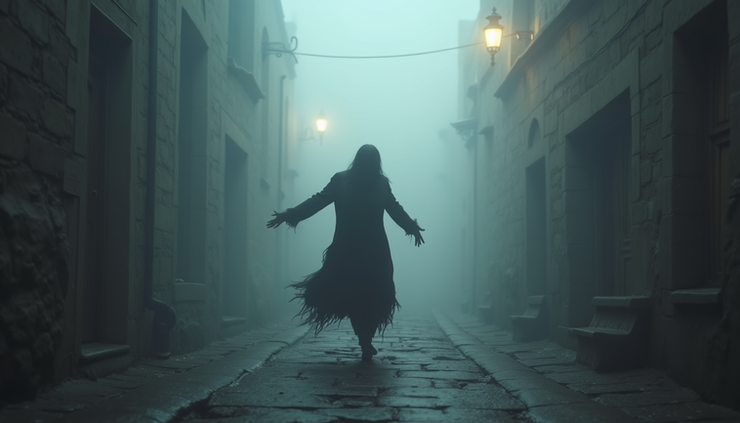
Medical knowledge was limited, and treatments were often cruel or ineffective. The town’s decision to encourage dancing as a cure reflects the desperation and confusion of the time. The eerie image of people dancing themselves to death in the foggy streets remains etched in history as a chilling reminder of how fear and mystery can grip a community.
Could Such a Phenomenon Happen Today?
The idea of hundreds of people dancing uncontrollably to the point of death seems almost impossible in the modern world. Yet, mass psychogenic illness still occurs, though usually in less dramatic forms. Stress, anxiety, and social pressures can trigger strange behaviors in groups, especially when combined with misinformation or fear.
The Dancing Plague forces us to ask: could a similar psychological event sweep through a community today? With the internet amplifying emotions and fears, could mass hysteria take new shapes? While we have better medicine and understanding, the human mind remains vulnerable to collective influence.
The story of Choreomania is a haunting chapter in history that blends mystery, tragedy, and the limits of human endurance. It reminds us how fragile our grasp on reality can be when fear and desperation take hold.


Comments